


Prints & Editions
Pop Art Sculpture:
A Buyer's Guide to 3D Editions
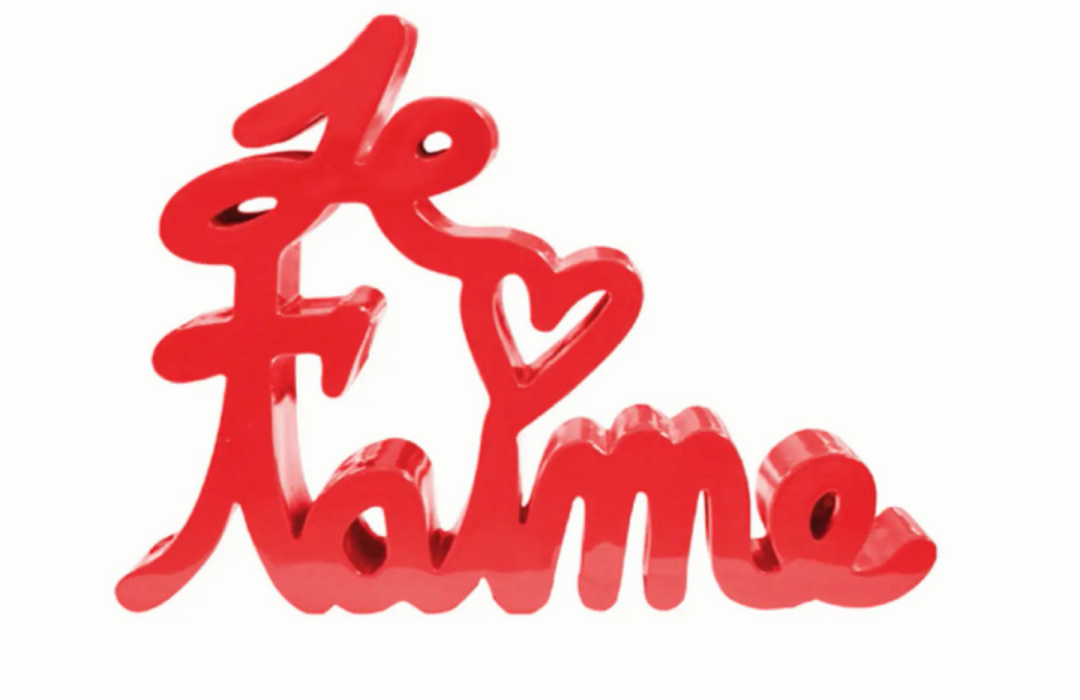
Some works ask to be viewed. Pop Art sculpture asks you to share the room with it, making the familiar feel newly physical.
Pop Art sculpture brings familiar images into physical space. A word, a comic-book gesture, a celebrity, or an oversized everyday object can become something you walk around, live with, and experience differently as the light changes. That physical presence is part of what makes collecting sculpture so rewarding.
It also creates a few practical questions. Which materials suit your space? What does the edition number mean? How can you evaluate the condition and documentation? And how do you choose a work that feels right for your collection several years from now?
This article explores the most useful points to consider when buying a Pop Art sculpture, from notable examples and materials to limited editions, pricing, authenticity, and display. You can also browse our Pop Art sculpture collection while you read.
Why Pop Art Works So Well in Three Dimensions
Pop Art has always had a close relationship with the objects and images of everyday life, and sculpture gives those subjects another layer of presence. A familiar form can become oversized, softened, polished, brightly painted, or reduced to a few graphic shapes. The viewer sees the subject from more than one angle and notices details that a flat image cannot offer.
Scale is especially important. A small sculpture can feel intimate and precise on a shelf or pedestal, while a larger work can organize an entire room around itself. Surface matters, too: the shine of polished metal, the warmth of bronze, the color of painted resin, and the texture of a mixed-media finish all contribute to how the sculpture feels in person.
Light and shadow add another dimension. A relief may project a changing shadow across a wall, while a freestanding piece can look different from the entrance to a room, from the side, or at close range. These qualities make Pop Art sculpture an active part of an interior rather than a passive decoration.
Notable Pop Art Sculptures and What They Teach Collectors
The following works offer useful ways to understand the range of Pop Art sculpture. Some are monumental public works and others are museum-held objects, so they function here as examples of artistic ideas and production choices.
Robert Indiana’s Sculptures: Words and Numbers
Robert Indiana’s sculptures turn familiar words and numbers into objects with weight, depth, and a presence in the room. From the stacked letters of LOVE to his bold numerals, recognizable symbols become forms that invite viewers to move around them and notice their color, outline, and scale.
Numbers carried personal associations for Indiana and became a way to explore the stages of life. Eight brings that interest into three dimensions, turning an everyday numeral into a freestanding sculpture with a strong graphic identity.
Eight (Sculpture) by Robert Indiana
See it in our collection
Andy Warhol’s Brillo Box
Andy Warhol’s Brillo Box turns commercial packaging into an artwork. Museum examples are made from painted and screenprinted wood, giving the object the visual language of a supermarket carton while placing it firmly within the history of sculpture.
The work is a useful reminder that Pop Art often begins with something familiar. It also helps explain why collectors should look closely at the actual object in front of them. A product image, a decorative reproduction, and an authorized artwork can share similar graphics while having very different artistic and collecting significance.
Claes Oldenburg’s Floor Burger
Claes Oldenburg’s Floor Burger demonstrates how material can change the character of an everyday subject. The large soft sculpture uses canvas filled with foam rubber and cardboard boxes, then painted with acrylic. The hamburger is recognizable, but its scale and softness make it strange, playful, and physically expressive.
Oldenburg’s work is a useful reference for buyers who are drawn to food, household objects, or consumer imagery. It shows that a Pop Art sculpture can be compelling because of its construction as much as its subject.
Roy Lichtenstein’s Brushstroke
Roy Lichtenstein translated the visual language of a painted brushstroke into three-dimensional fabricated and painted metal. The gesture becomes an object, with volume, edges, and a strong relationship to the space around it.
This approach is helpful for understanding why Pop Art sculpture extends beyond literal representations of products or figures. Some works turn a graphic mark, comic-book contour, or visual symbol into the subject itself.
Spoonbridge and Cherry
Claes Oldenburg and Coosje van Bruggen’s Spoonbridge and Cherry illustrates what happens when Pop imagery reaches a monumental, site-specific scale. Made from aluminum, stainless steel, and paint, the work is designed for a public landscape and interacts with the pond, paths, trees, and movement around it.
For a private collector, the lesson is about proportion and setting. The ideal sculpture is not necessarily the biggest available. Its scale should work with the architecture, furniture, viewing distance, and rhythm of the room.
The Main Types and Materials of Pop Art Sculpture
Collectors encounter Pop Art sculptures in several formats, each with different practical requirements.
Freestanding sculpture is designed to be viewed from multiple sides. It may sit directly on the floor, on a plinth, or on a pedestal. Because it occupies the room in three dimensions, its silhouette and the space around it are important parts of the presentation.
Tabletop and smaller-scale works are easier to place in residential settings. They can still have a strong presence, especially when displayed with enough space around them and at a comfortable viewing height.
Wall-mounted sculpture and relief offer another option. These works add depth, projection, and shadow while using wall space instead of floor space. They can be a natural choice for collectors who want dimensional work alongside paintings and prints.
Bronze remains an important sculptural material because of its weight, durability, surface finish, and foundry traditions. Resin can support vivid color, unusual shapes, and lighter installation. Aluminum, stainless steel, and chromium-plated metals can create reflective, graphic surfaces, while mixed-media works may combine painted elements, wood, fabric, or other materials.
The material affects the sculpture’s appearance, care, handling, and price. It is worth understanding how the artist and authorized producer used that material before comparing two works simply because they share a similar image. Buyers interested in how editions work across different media can also explore the world of Pop Art prints.
How Limited 3D Editions Work
A limited sculpture edition is a group of authorized examples produced from the same artistic design or model. Each example may carry an edition number, such as 8/8 or 10/50. The first number identifies the individual work, while the second indicates the total edition size.
That information is a starting point for understanding the object. A complete description should also identify the title, medium, dimensions, date or production period, signature or production marks, and the publisher, foundry, estate, or other relevant source.
Sculpture adds a few details that buyers may not encounter with a print. A bronze may carry a foundry mark or cast number. A metal sculpture may instead have a publisher’s stamp or an engraved identification, and a relief may have mounting hardware or a base that forms part of the original work. The certificate should correspond to the specific sculpture and its edition information.
Edition size can influence desirability, but it works alongside the artist, subject, material, condition, and documentation. A larger edition by an important artist may be more appealing to a collector than a smaller edition with limited recognition or incomplete records. The goal is to understand the complete work and its place within the artist’s practice.
What to Evaluate Before Buying a Pop Art Sculpture
Begin with the individual work rather than the artist’s name alone. Confirm the exact title, medium, dimensions, year, edition size, edition number, and whether the piece is a sculpture, relief, maquette, artist’s proof, or later authorized casting.
Documentation should make the object easier to identify. A Certificate of Authenticity may include the title, medium, dimensions, edition number, edition size, and issuing gallery, publisher, foundation, or estate. These details become especially useful when the work is insured, resold, moved between collections, or compared with another example from the same edition.
Condition deserves equal attention. With sculpture, it may include chips, cracks, dents, repairs, fading, surface abrasions, changes to the patina, loose components, or damage to a base or mounting system. A good condition description gives the buyer a clear understanding of the work as it exists today.
Provenance provides additional context. Some works have a detailed ownership history, while others come with more limited records. A gallery can explain the documentation available for a particular piece and how it supports the work’s identity and history.
These considerations are part of a thoughtful buying process. They also sit at the center of blue-chip art collecting, where condition, edition, provenance, and documentation help establish a work’s place within the market. Clear information about those details gives a collector a sound basis for deciding whether a particular sculpture suits their collection.
Pricing: Reading the Value of Pop Art Sculpture
Prices can vary widely between sculptures by the same artist. Several factors usually work together:
- The artist’s recognition and market history.
- The importance and familiarity of the subject.
- Edition size and demand for that edition.
- Material and production quality.
- Scale and complexity.
- Condition and surface finish.
- Signature, documentation, and provenance.
- The availability of comparable works.
A famous name provides useful context, but the details of the individual sculpture still matter. A smaller bronze with strong documentation may appeal to one collector, while another may prefer a larger, brightly colored work that has a more immediate presence in a room.
Salvador Dalí’s prints and bronze sculptures offer a helpful comparison. Dalí’s editions show how signature, edition, material, condition, and documentation can produce different collecting opportunities across works by one established artist.
Pop Art sculpture can have lasting market appeal, but no artwork guarantees appreciation or easy resale. A strong purchase combines genuine interest in the work with a clear understanding of its market and documentation.
Choosing and Displaying the Right Sculpture
Measure the available space before choosing a work. Consider the sculpture’s full dimensions, including its base, and leave enough room for people to move around it or view it comfortably. A piece that looks modest in a gallery can feel much more prominent in a home with lower ceilings or closely spaced furniture.
Lighting affects color, shine, texture, and shadow. Reflective metals may benefit from controlled lighting, while brightly painted surfaces need protection from prolonged direct sunlight. Wall-mounted works require suitable hardware and a wall that can support their weight.
Think about how the sculpture relates to the rest of the room. A colorful object may become the focal point of a neutral interior. In contrast, a more restrained bronze may work as part of a group of paintings, prints, and smaller objects. The best placement gives the work enough visual breathing room to be seen as an artwork.
Indoor and outdoor display also involve different care requirements. Ask about moisture, ultraviolet exposure, temperature changes, cleaning, installation, and long-term maintenance before placing a sculpture outside.
Bring a Pop Art Sculpture Into Your Collection
By the time you reach this point, you may already have a clearer sense of the artist, material, scale, or edition that appeals to you. The final decision still benefits from looking closely at the details: how the work was produced, what documentation accompanies it, how its condition is described, and whether its dimensions and display requirements suit your space.
Premier Pop Art’s sculpture collection gives you a starting point for comparing works by artist, material, scale, and edition. Our team can help you review the relevant details, clarify edition and provenance, and think through practical questions about price, shipping, installation, and care. You can then decide with a fuller picture of the work and how it fits into your collection.
Find the piece that fits your collection
FAQs: Buying Pop Art Sculpture
What should I look for before buying a Pop Art sculpture?
Start with the work’s title, artist, medium, dimensions, year, edition size, edition number, signature or production marks, condition, and documentation. A clear description should help you understand the individual sculpture and its place within the artist’s practice. Personal connection matters too: the work should continue to interest you beyond the initial purchase.
Is bronze better than resin for a Pop Art sculpture?
Neither material is automatically the better choice. Bronze offers weight, permanence, and a traditional foundry finish. Resin can support vivid color, unusual forms, and easier installation. The artist’s intention, production quality, condition, edition, and documentation are more useful points of comparison than material alone.
How do I understand a limited sculpture edition number?
In a number such as 10/50, the first number identifies the individual sculpture and the second indicates the total edition size. Look at that number alongside the certificate, title, medium, signature or foundry mark, and issuing source. Together, these details establish a clearer record for the specific work.
Can Pop Art sculpture be displayed outdoors?
Some sculptures are made for outdoor display, while others are better protected indoors. Material, paint, patina, moisture, ultraviolet exposure, temperature changes, mounting, and maintenance all affect suitability. The work’s documentation or the gallery handling it should provide guidance for its intended environment.
Does a Pop Art sculpture keep its appeal over time?
Established Pop Art artists and well-documented editions tend to keep collector interest, though no sculpture guarantees a rise in value or easy resale. What lasts longest is your own connection to the piece. Choose one whose image, material, and scale you will still enjoy, and review its condition, edition, and documentation carefully.