


Collector's Guides
Erté Prints & Sculptures:
A Collector’s Guide to His Deco World
From the cover of a fashion magazine to the lights of a theater, Erté’s designs gave the modern woman a world of her own. Collecting his prints begins with learning to see that world, then choosing the images and formats you want to live with.
Meet Erté: The Artist Behind the Art Deco World
Erté prints and sculptures bring Art Deco into a room through elegant figures, striking costumes, and theatrical flair, and learning to read their details helps you choose with confidence. Erté was Romain de Tirtoff, born in St. Petersburg, Russia, in 1892; he built a career in Paris, France, as a 20th-century fashion designer and illustrator. His work crossed fashion designs, magazine covers, theater costumes and sets, prints, and sculpture; museums including the Metropolitan Museum of Art preserve examples of his stage and costume work.
He took the name Erté from the French pronunciation of his initials, R.T. After moving to Paris in 1912, he worked briefly with couturier Paul Poiret, then began a long creative relationship with Harper’s Bazaar in 1915. His drawings carried the energy of fashion and performance onto the page, shaping a visual world that collectors can still explore through Erté’s prints and sculptures.
More than 240 covers are attributed to Erté, but his art extends well beyond the magazine page. He designed costumes and sets for theater, worked across illustration and printmaking, and later developed sculptural versions of ideas that had appeared in his earlier designs. That range matters when you collect: the same vocabulary of line, movement, and ornament can feel intimate on paper or commanding in three dimensions.
How to Read an Erté Art Deco Design
Erté’s Art Deco style often begins with a silhouette. Figures appear poised and elongated, with flowing lines that guide your eye through a costume, a gesture, or a carefully staged scene. Geometric details and ornamental patterns bring structure to the movement, while color and theatrical lighting help the image hold its mood.
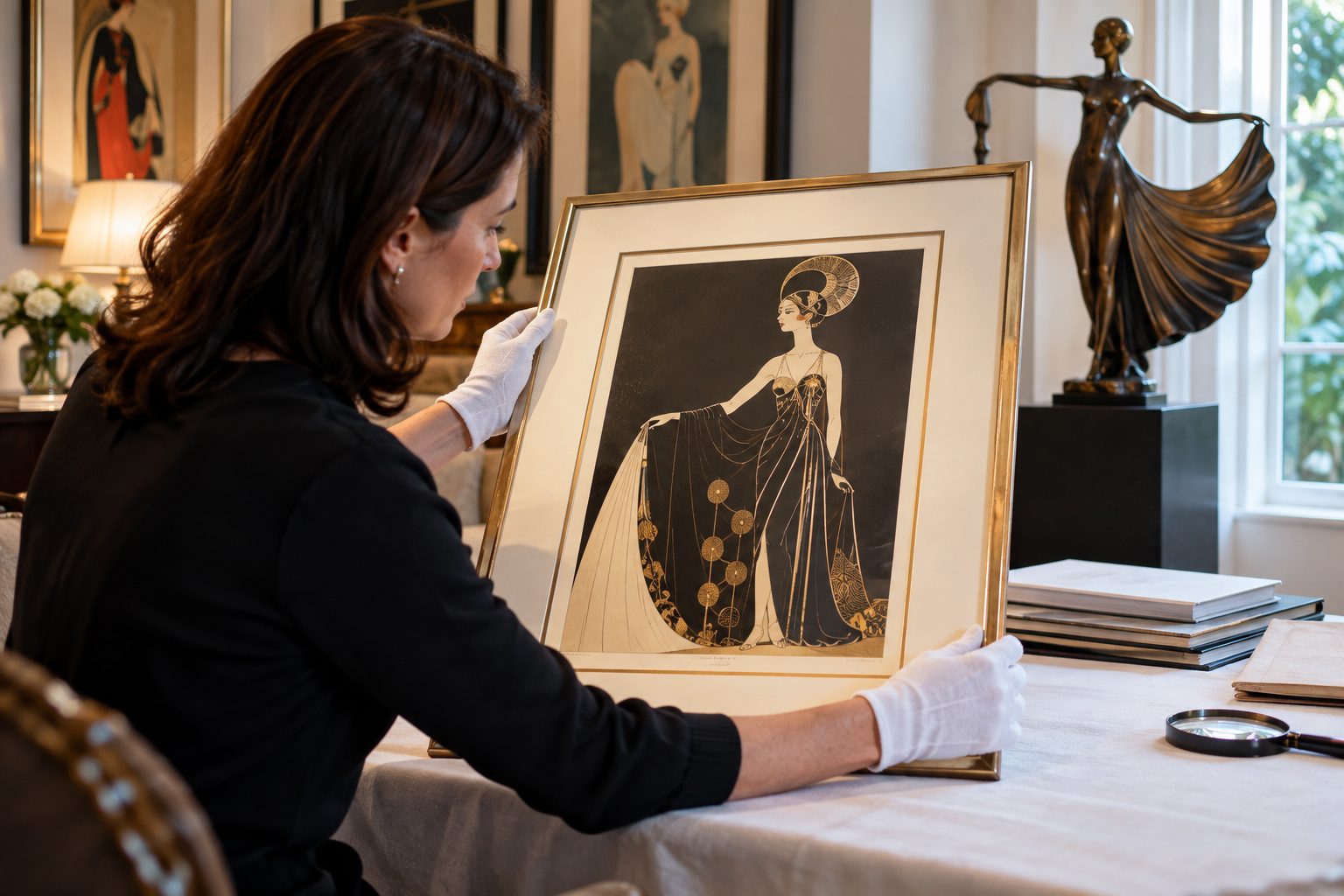
Look at how the design is built. A headdress, sleeve, or fan may echo the curves of the figure; a vertical line can make a pose feel taller, while a repeated pattern gives a costume rhythm. In Cléopâtre, the dramatic profile, patterned dress, and frontal gaze create a composed image with the presence of a stage entrance. The 1986 serigraph offers a useful example of how Erté’s images translate into collectible prints. Explore Cléopâtre and notice how its details shape the composition.
Cléopâtre (1986)
See it in our collection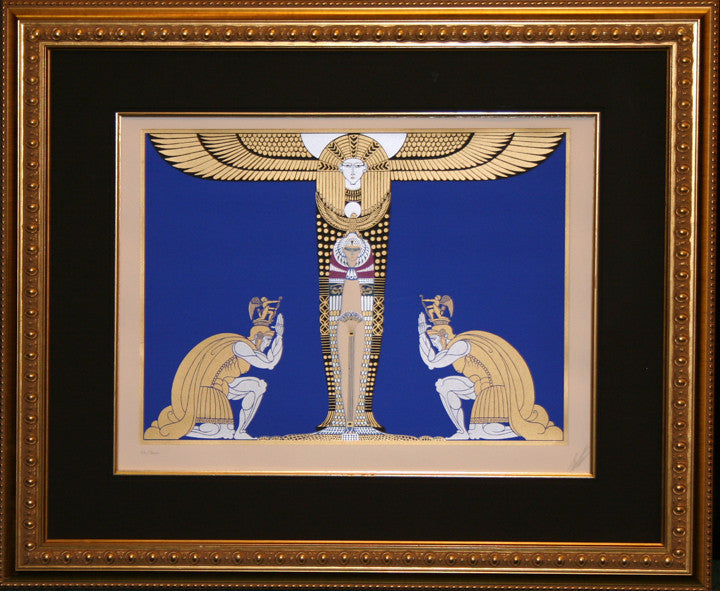
Art Deco, the art movement associated with Erté’s style, offers useful context, though you do not need its history to respond to the work. Ask what first holds your attention, then follow the shapes and details that keep your eye moving. That small act of looking often tells you whether you are drawn to the image’s elegance, its theatricality, or the craft of its design.
What to Look for in Erté Prints
When you consider Erté prints, start with the information attached to the individual work. Confirm the title, date, medium, image dimensions, edition or impression details, and whether the print is signed and numbered. Serigraphs, also called screenprints, are fine art prints made by passing ink through a screen. If a listing identifies an embossed serigraph or mentions foil, treat that as a work-specific detail and confirm it against the print.
A signature and edition notation help identify a print’s particulars, but they should be considered alongside condition and documentation. Check whether the signature is described as hand-signed, whether the number appears in pencil or another medium, and whether the paperwork matches the work. If a detail is unclear, ask the seller to confirm it in writing before you buy.
Condition deserves close attention. Examine the paper for discoloration, fading, foxing, creases, tears, and evidence of previous repairs. If the print is framed, ask for photographs of the sheet and margins outside the frame when possible; glazing, mats, and reflections can hide details that affect how the work presents.
A useful comparison is Phoenix Triumphant, where a performer’s costume opens into the image of a phoenix. Its theatrical transformation shows how an Erté print can reward a long look: the composition has a central figure, but the wings and ornament carry the eye outward. You can view Phoenix Triumphant as one example while comparing images that speak to you.
Phoenix Triumphant (1983)
See it in our collection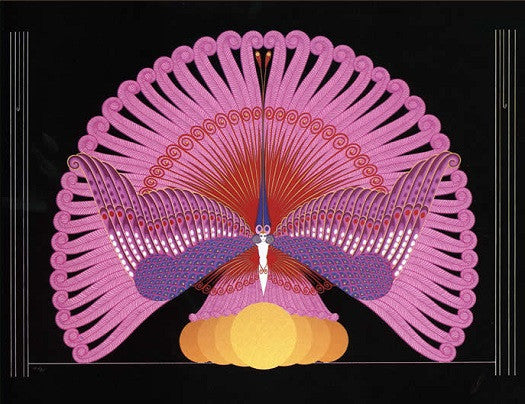
A Quick Print Checklist
Before deciding, gather the basics in one place:
- Identity: title, date, medium, and image size.
- Edition: edition or impression number, signature details, and any proof notation.
- Condition: paper quality, color, margins, repairs, and framing history.
- Documentation: provenance, certificate or other records, and a clear explanation of what each document supports.
- Framed fit: overall framed size in inches, palette, and the wall where you expect to enjoy it.
With limited edition prints, edition size alone does not establish quality or value. A smaller edition may interest some collectors, but image, printing, condition, signature, documentation, and demand all matter. Treat edition information as one part of the work’s record, then assess the print as a whole.
Erté Sculptures: Design in Three Dimensions
An Erté bronze sculpture brings his drawn forms into physical space. The flowing lines and dramatic costumes that read across a print become volume, balance, and silhouette when you walk around it. This makes sculpture an appealing way to collect Erté if you want the design to meet the room from more than one angle.
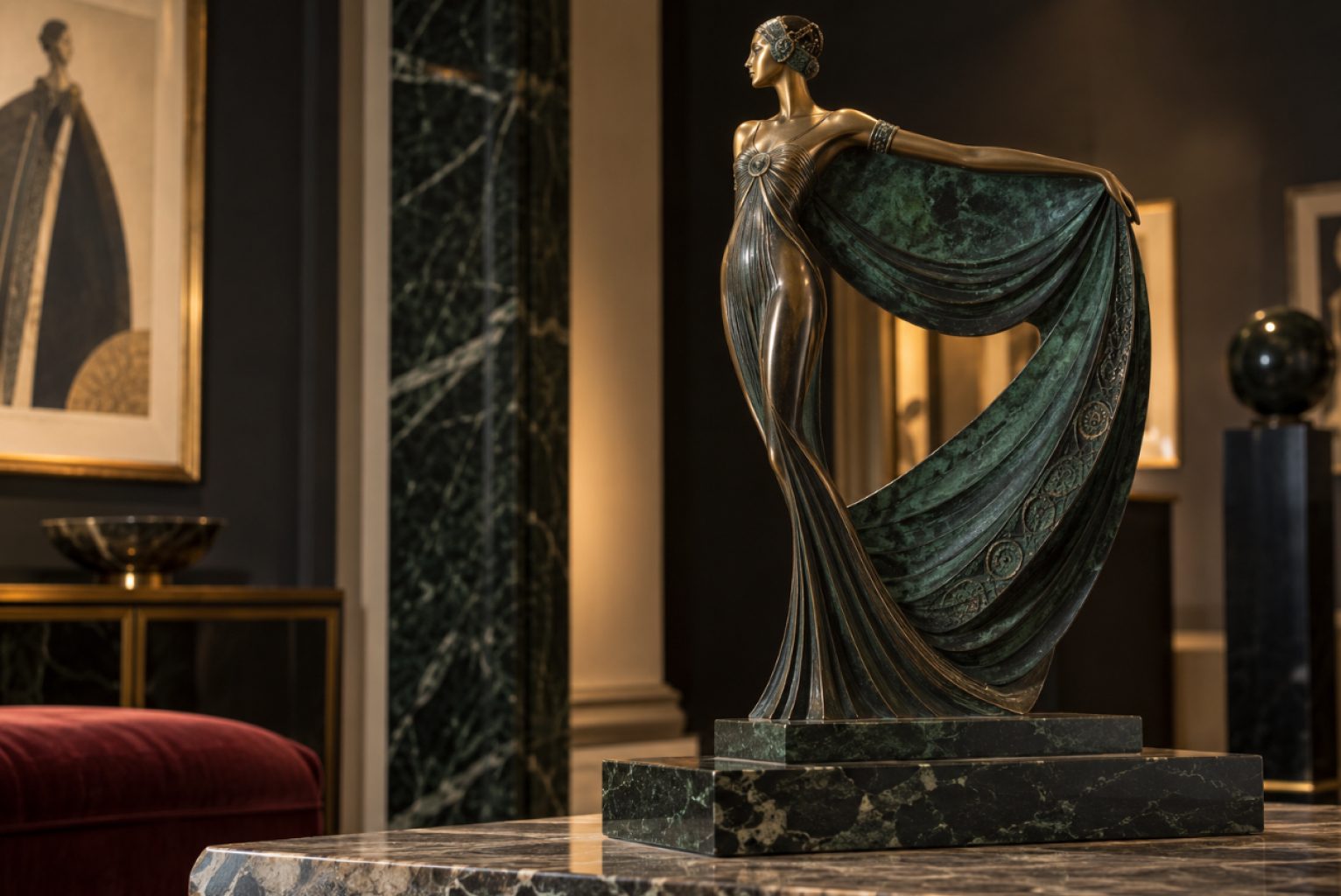
For a bronze, ask about the edition and casting details, signature or foundry marks, dimensions, weight, and condition. Confirm what documentation accompanies the sculpture and whether any restoration or surface treatment is known. The edition number is useful, but it does not tell the whole story of a particular casting.
Elegance, a bronze from around 1980, is one example of Erté’s sculptural language. Its flowing form gives the design a different presence from a print, with the object’s scale and finish shaping the experience. Explore the Elegance bronze, and contact us to confirm current availability, documentation, and delivery details before planning around it.
Elegance (c. 1980)
See it in our collection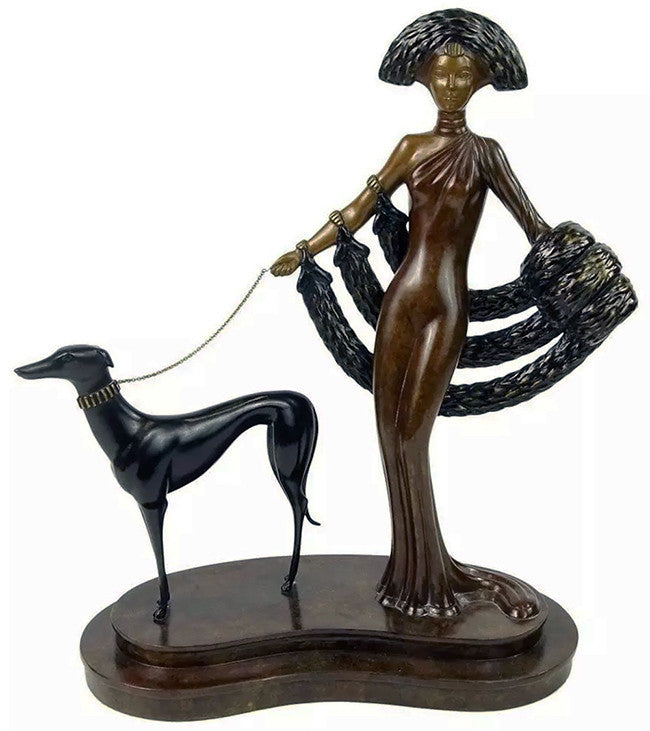
What Affects Erté Art Prices?
The price of an Erté work depends on several details working together. Medium is an important starting point: a serigraph and a bronze involve different materials, production, scale, and collecting considerations. Within prints, the image or series, printing technique, edition or impression details, signature, condition, size, provenance, and documentation all shape how a work compares with others.
For sculpture, casting information, scale, condition, marks, and supporting records deserve particular attention. A large bronze may have a different presence and practical cost from a small print, while image, rarity, and condition influence how two works compare and what collectors are willing to pay. There is no single feature that reliably predicts a fair price.
Compare like with like. For prints, look at the same image or series, medium, dimensions, edition details, signature, and condition. For sculpture, compare the same model and casting information where possible. Auction results record completed sales; dealer asking prices show what a seller is currently seeking. They answer different questions, so do not treat one as interchangeable with the other.
If a price seems difficult to assess, ask what comparable works were used and whether the figures refer to asking prices or completed sales. A sound comparison makes its assumptions visible and accounts for the specific work in front of you. That gives you a clearer basis for deciding whether the piece suits your interests and budget.
How to Start an Erté Collection
You can begin with one image that keeps drawing you back. Decide whether you are most interested in Erté’s fashion and theater designs, a particular subject, or the contrast between prints and sculpture. This gives your search direction without requiring you to commit to a narrow theme from the start.
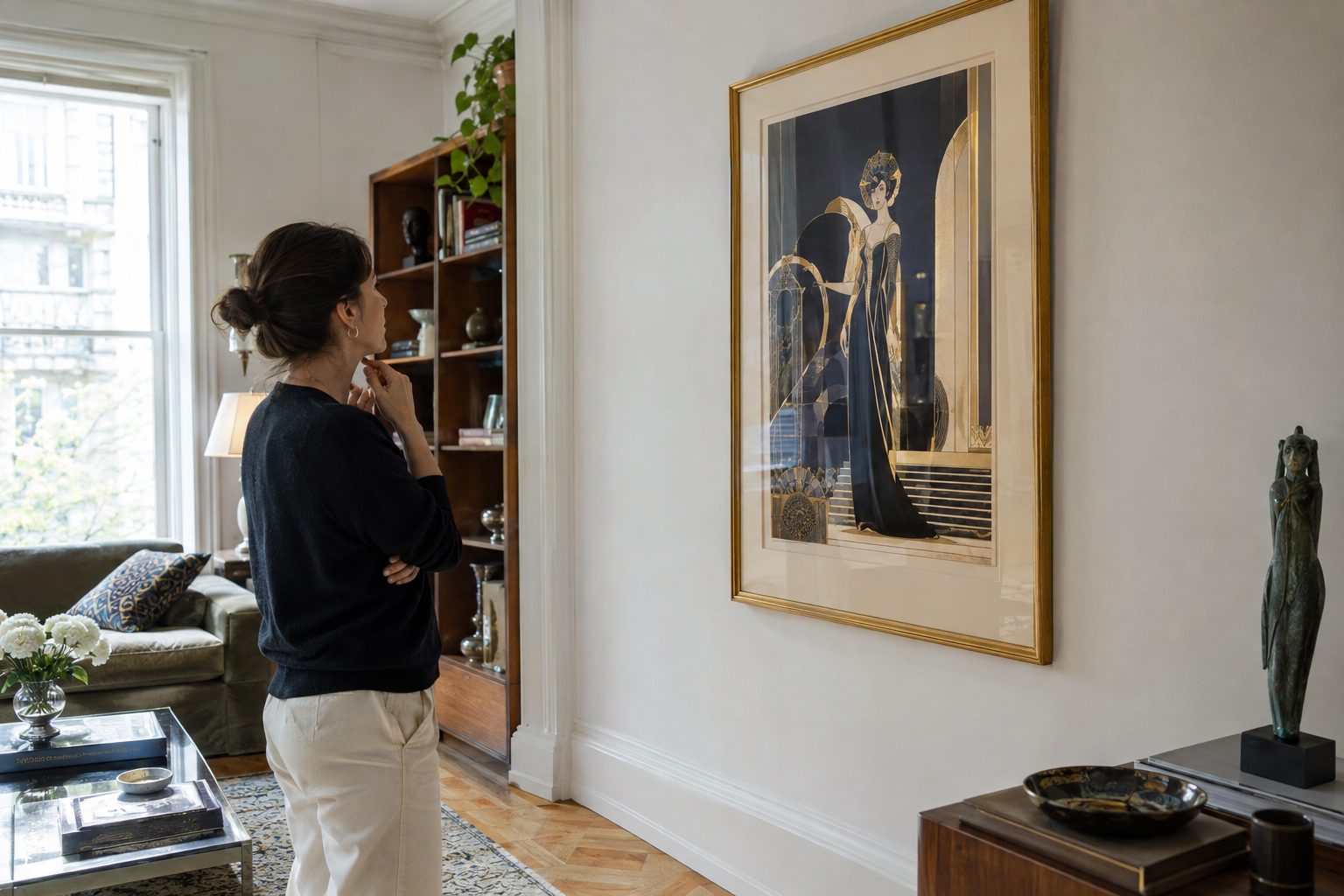
Set a comfortable budget, then include the full cost of ownership. Framing, conservation, insurance, shipping, and installation may affect the amount you want to spend on the artwork itself. If you are choosing between several works, compare their condition and documentation as carefully as their size and appearance.
Keep a simple record for each acquisition: title, medium, dimensions, edition or casting details, purchase date, seller, price, condition photographs, and documents received. Save correspondence that clarifies a signature, restoration, or provenance. Over time, these records help you understand the choices you have made and make future comparisons more useful.
Most of all, give yourself room to learn what you enjoy. Some collectors are drawn to the ornate costumes and color of Erté’s prints; others prefer the sculptural presence of a bronze. A collection develops through looking, asking questions, and choosing works that feel at home with you.
Living with Erté Prints and Sculpture
Plan for the work’s actual footprint before you buy. Measure the wall and the full framed dimensions, then use painter’s tape to outline the shape at eye level. Check the view from the places where you usually sit or enter the room, and leave enough space for the artwork to feel intentional rather than crowded.
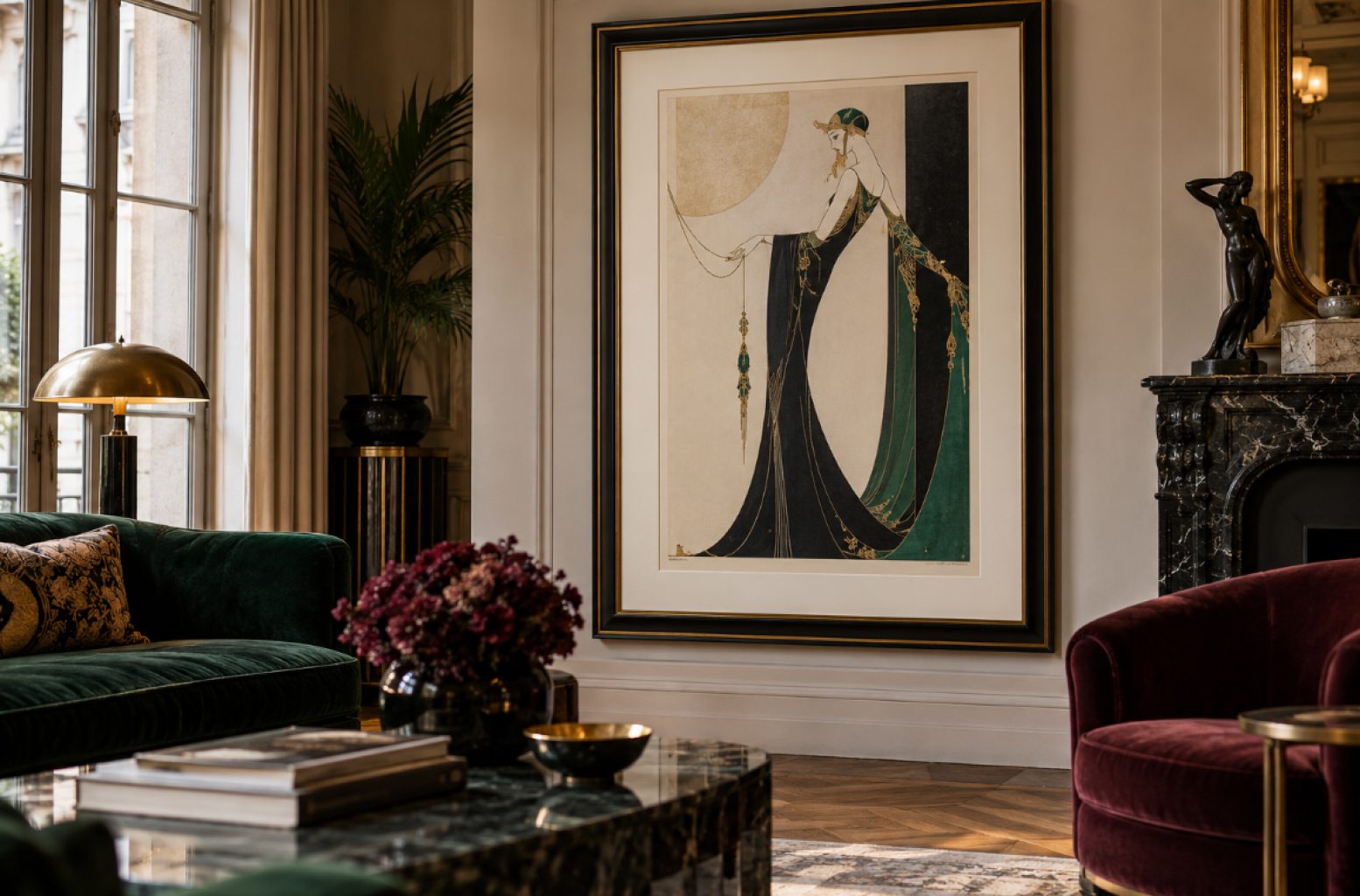
For a print, use framing materials suited to works on paper, including archival-quality matting and UV-filtering glass or acrylic glazing where appropriate. Keep it away from direct sunlight, damp areas, heat sources, and rooms with large swings in temperature or humidity. If you notice rippling, stains, fading, or old repairs, consult a paper conservator before attempting a fix or changing the frame.
A sculpture needs a stable, level support that can safely carry its weight. Think through sightlines and circulation: people should be able to move around it without brushing delicate projections, and you should be able to see the silhouette from more than one position. Ask a conservator or specialist before cleaning or polishing a bronze, since the surface and patina are part of its character. For more practical planning, see ideas for choosing and displaying sculpture.
Talk with Us About Collecting Erté
Collecting should start with what you love, but questions about an edition, signature, condition, or a sculpture’s casting can make the next step feel less clear. If something about an Erté work gives you pause, bring us the question. At Premier Pop Art, we’re glad to talk through what the details do, and don’t, tell you.
That conversation can help whether you’re choosing your first print, weighing a bronze, or considering a work by another artist. We can help you sort through the information, think about what fits your taste and space, and feel more confident taking the next step in building a collection.
Talk with our team about the work you’re considering. We’re happy to help.
FAQs: Erté Prints & Sculptures
What should I verify in an Erté print listing before I buy?
Confirm the title, medium, image and sheet dimensions, edition or impression number, and whether the signature is hand-signed. Ask for clear photographs of the print, margins, and any labels or certificates, plus written details about condition, repairs, and provenance. If edition or signature wording is ambiguous, ask the seller to clarify it in writing.
How should I compare prices for Erté works?
Compare works with the same image or model, medium, dimensions, edition or casting details, signature, and condition. Keep dealer asking prices separate from auction results, which record completed sales. Note the sale date and whether fees are included, and treat provenance or documentation differences as part of the comparison rather than relying on edition size alone.
Which condition issues should I check on a framed Erté print?
Look for fading, discoloration, foxing, rippling, creases, tears, and repairs, paying special attention to the sheet edges and margins. Glazing and mats can conceal damage, so request unframed photographs when possible. Ask whether the print has been cleaned, restored, or exposed to sunlight, and consult a paper conservator if condition concerns appear significant.
What records and details should I request for an Erté bronze?
Ask for the model or title, casting and edition information, dimensions, weight, signature or foundry marks, condition, and any known restoration. Request photographs of the marks and surface, along with provenance and documents that accompany the sculpture. Confirm delivery, handling, and placement requirements before purchase; availability and included paperwork should be verified for the specific bronze.
How should I plan to display an Erté print or sculpture?
For a print, measure the full framed footprint and choose archival-quality matting and suitable glazing; avoid direct sun, damp, and temperature swings. For a bronze, confirm the support can carry its weight, then allow clearance around delicate projections and check sightlines from several positions. Ask a conservator before cleaning, polishing, or changing a patinated surface.