


Collector's Guides
Starting a Collection of Limited Edition Prints
A print can hold your attention long after the first glance, revealing a different detail each time you return to it. Over time, it can change how a room feels.
Imagine a work that first caught your attention in a gallery appearing later in your home. Without a label or crowd around you, the relationship becomes more personal; you notice how the image lives alongside your everyday routines.
That is one of the pleasures of collecting limited edition prints. The process can be as thoughtful as it is emotional, with room for curiosity, discovery, and a growing connection to the art you choose to keep near you.
What Are Limited Edition Prints?
A limited edition print comes from a declared, finite print run. Each impression belongs to that edition, whose stated size tells you how many impressions it includes. If you see a number such as 10/35, the first number identifies the individual impression and the second gives the edition size: number 10 in an edition of 35.
The number helps you understand the print’s place in the edition. It does not rank the impressions by quality, and it does not tell you everything about the work’s history. The artist, printmaker, publisher, printing date, medium, condition, and documentation all contribute to the fuller picture.
Limited edition art prints span many kinds of images and processes. Some are made through etching, lithography, or screenprinting; others use different printing methods or materials. A print can be a work of fine art in its own right, and the word “print” also appears in descriptions of posters and reproductions. When you consider a specific work, look for the production and edition information that explains what it is.
What Makes a Print an Original Work of Art?
In printmaking, an image is made through a matrix such as a plate, stone, screen, or block, then transferred to paper, canvas, or another surface. The artist may draw, carve, or otherwise develop the image on that matrix. Impressions are produced from it, sometimes with a printmaker or workshop contributing technical expertise.
The process leaves a visible character. Etching can preserve a drawn line; lithography can carry the marks and revisions of a drawing; screenprinting builds an image through layers of color. As you look, notice how pigment sits on the paper and how its texture interacts with line and color. Those qualities can make a print feel very different from a painting of the same subject.
“Original print” generally describes an image conceived and produced through an artist’s printmaking process, rather than a later reproduction of an existing artwork. The artist’s role and the work’s publication history still matter. A familiar image may appear in several forms, so use the stated medium, edition details, publisher, and supporting records to identify the particular print in front of you.
Picasso’s printmaking offers a vivid way to see how the medium can shape an image, from a drawn line to bold blocks of color. Explore Picasso’s prints across different techniques for a closer look at how process and artistic choices meet on paper.
How to Read Edition Numbers and Artist’s Proofs
Edition notation gives you a practical starting point. In 10/100, 10 identifies the impression and 100 states the edition size. You may also see a print described as “edition of 100,” where the listing gives the size without specifying the individual number. Check the work’s verso, margins, or accompanying paperwork when those details are relevant and visible.
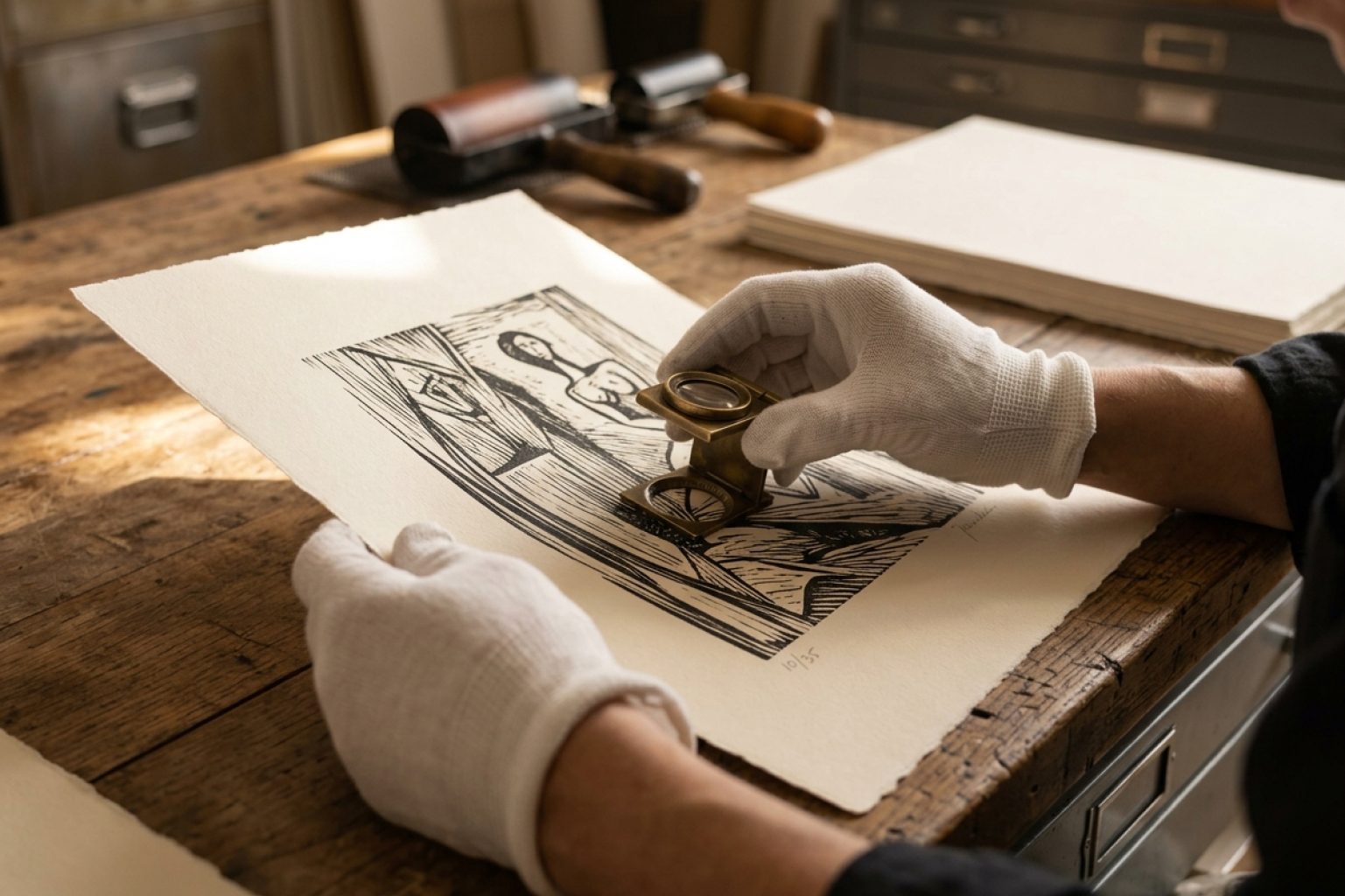
An artist’s proof, often marked AP, is a proof impression associated with the artist and the production of an edition. Proof practices and notations vary. You may also encounter printer’s proofs, trial proofs, or hors commerce impressions, each of which needs to be understood in the context of the particular edition and its records.
The phrase “artist proof print” does not by itself tell you how many proofs exist, whether a specific work is one of them, or how it compares with the numbered edition. Ask how the proof is identified and what documentation supports that description. This is the useful distinction in artist proof vs. limited edition: the notation describes a category or status of an impression, while the numbered edition states the size of the main edition. Neither detail alone establishes quality or market value.
Try reading the details together on Mr. Brainwash’s Vintage Mona Lisa. Its 10/35 notation identifies impression 10 in an edition of 35; the signature, condition, and certificate add context about the individual work. That is the fuller picture to look for as you compare prints.
Vintage Mona Lisa by Mr. Brainwash (2009)
See it in our collection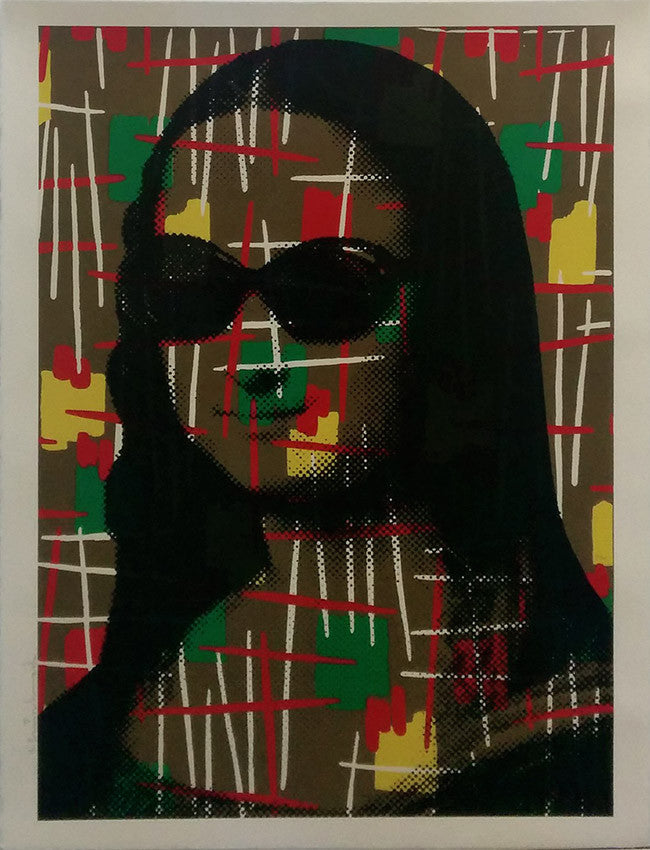
What Should You Check Before Adding a Print?
Start with the work’s identity. Confirm the artist, title, date, medium, dimensions, and whether measurements describe the image, sheet, or framed work. Then read the edition information carefully: individual number, stated size, proof designation, printer or publisher, and whether the edition was produced during or after the artist’s lifetime, when known.
Next, look at the signature and condition. Find out where the signature appears and whether the listing describes it as hand-signed. Compare that wording with photographs and documents. Examine the paper for fading, discoloration, foxing, creases, tears, or repairs. Framing and glazing can make a print harder to inspect, so ask for clear photographs of the sheet and margins when you need a closer view.
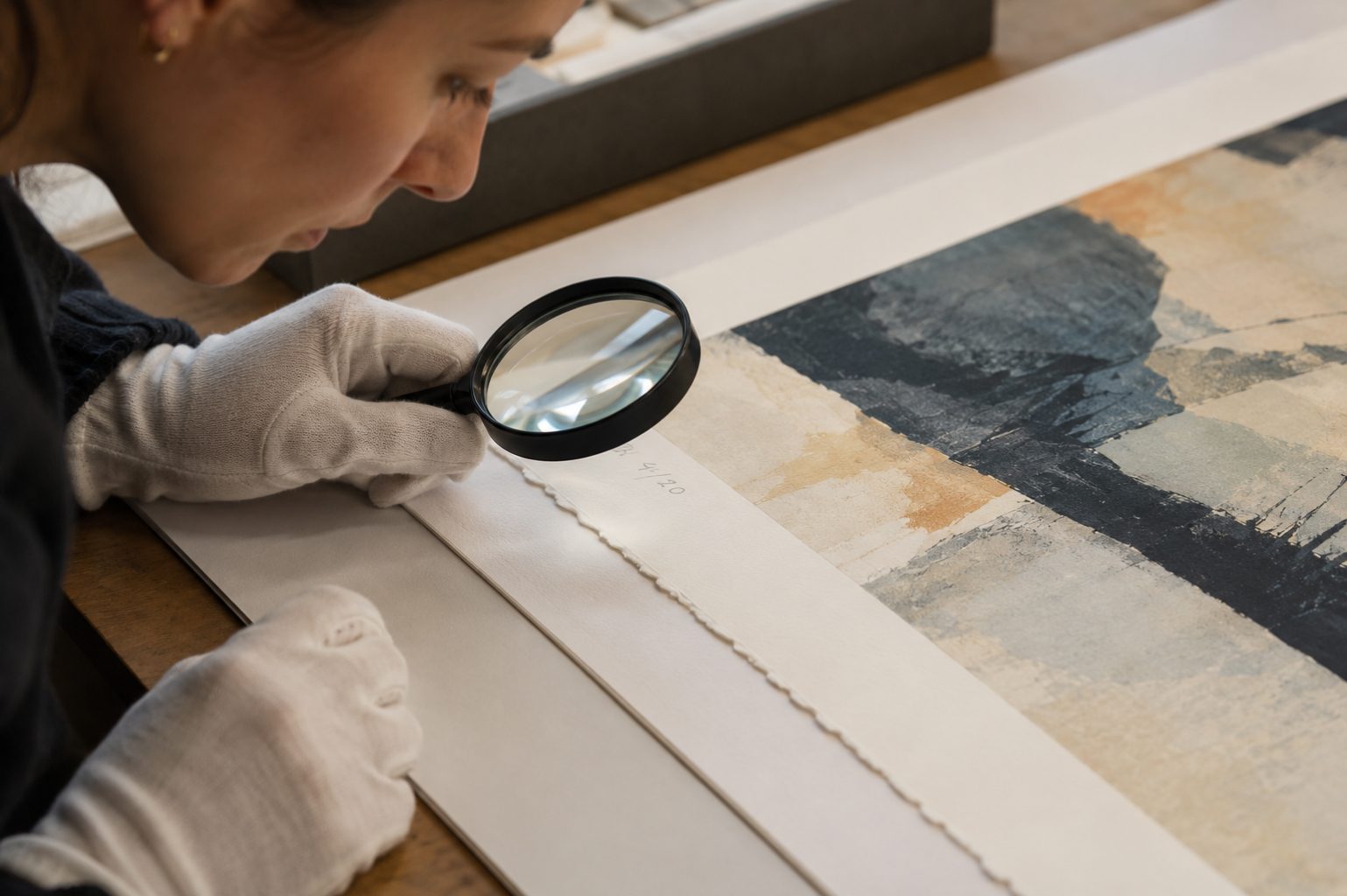
Provenance is the known or reported history of ownership, custody, exhibition, publication, or sale. It’s worth knowing which parts are supported by documents and which are reported by a previous owner or another source. If the work comes with a certificate of authenticity, check who issued it, whether it is an original or a copy, and what specific work it identifies. A signature or certificate is useful evidence to assess as part of the whole record.
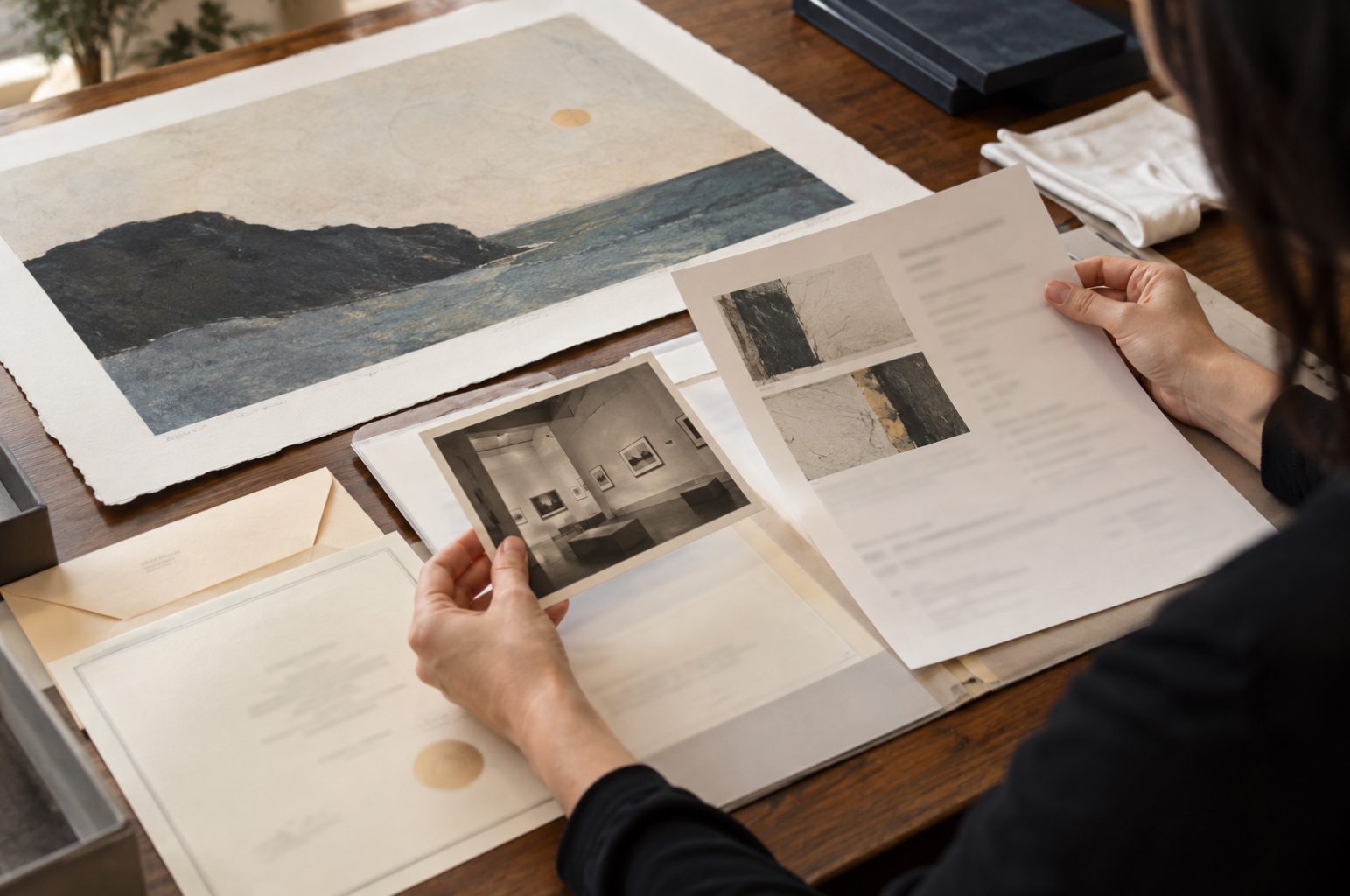
At Premier Pop Art, we believe those details should be clear as you consider a work. Our artwork description and authenticity standards set out how we document editions, signatures, provenance, supporting records, and condition.
Does a Smaller Edition Make a Print More Valuable?
Edition size is one factor in a print’s story, but not a formula for its price. A smaller edition may be relevant to a comparison, but collectors also look at the artist, image, medium, printing history, condition, signature, provenance, and demand for the specific work. The significance of each factor varies from one edition to another.
Comparing two Picasso prints? Start with the same image or series, then check medium, edition, size, and condition. A lithograph and an aquatint call for different comparisons, even when both are by Picasso. Next, note whether each price is a completed auction sale or a dealer’s asking price, along with the date and context. Each figure is a snapshot, not a promise of future value.
Your own response to the image matters, too. A print may become a meaningful part of your home because of its subject, colors, or the way it changes a room. Market information helps you make an informed decision, while the work’s connection to you helps shape the collection you want to live with.
Choose a Collecting Thread That Holds Your Attention
A collection often begins with a small curiosity. Perhaps a particular artist’s line draws you in, or you keep noticing a color, subject, or printmaking process. Follow that interest for a while. Looking across a few works can help you discover whether you are drawn to a period, a recurring image, or the way an artist transforms a subject.
You might collect around a visual language rather than a single format. Erté’s elegant Art Deco figures, for example, bring costume, movement, and theatrical design together in prints and sculpture. Our Erté collector’s guide explores how those qualities can give a collection its own visual direction.
You do not need a complete plan before you begin. Keep notes on what you like about a work and what questions you want answered. Over time, those observations can become a useful collecting thread that reflects your taste, space, and budget.
Turn Your Interest into a First Collection
Give yourself a few practical guideposts before you make a first purchase:
- Name what draws you in. Choose an artist, subject, period, color palette, or printmaking process you would enjoy learning about.
- Set a comfortable budget. Include framing, shipping, insurance, and possible conservation needs in your planning.
- Compare a short list. Review the medium, edition, signature, condition, provenance, and documents for each work. Ask questions where information is missing.
- Think about where it will live. Measure the wall and consider the full framed dimensions, light, and the room’s existing colors.
- Keep a record. Save the listing, invoice, photographs, condition details, and documents. Note what helped you make the decision.
Browsing artists can help you turn a broad interest into a more focused search. You can explore Premier Pop Art’s acclaimed artists as one starting point, then compare the works and details that fit the direction you want to pursue.
A collection can grow at its own pace. You might begin with one print that gives you a reason to learn about its artist, then let the next choice follow from what you discover. That process keeps the pleasure of looking connected to the care you bring to collecting.
Living with Prints
Begin by checking the scale in the room. Measure the full framed dimensions and mark the outline on the wall with painter’s tape. Step back from the doorway and sit where you usually spend time. Does the print hold your attention from those spots? Does the frame crowd nearby furniture? This simple mock-up helps you picture the work at its actual size.
Then watch the light and conditions around the wall. A patch of sun that moves across the room can create glare on the glazing and expose the print to direct sunlight. Choose a spot away from strong sun, damp, and sharp swings in temperature or humidity. Ask which matting and glazing materials are included. If they are described as archival or museum-quality, find out what those terms mean for this specific work.
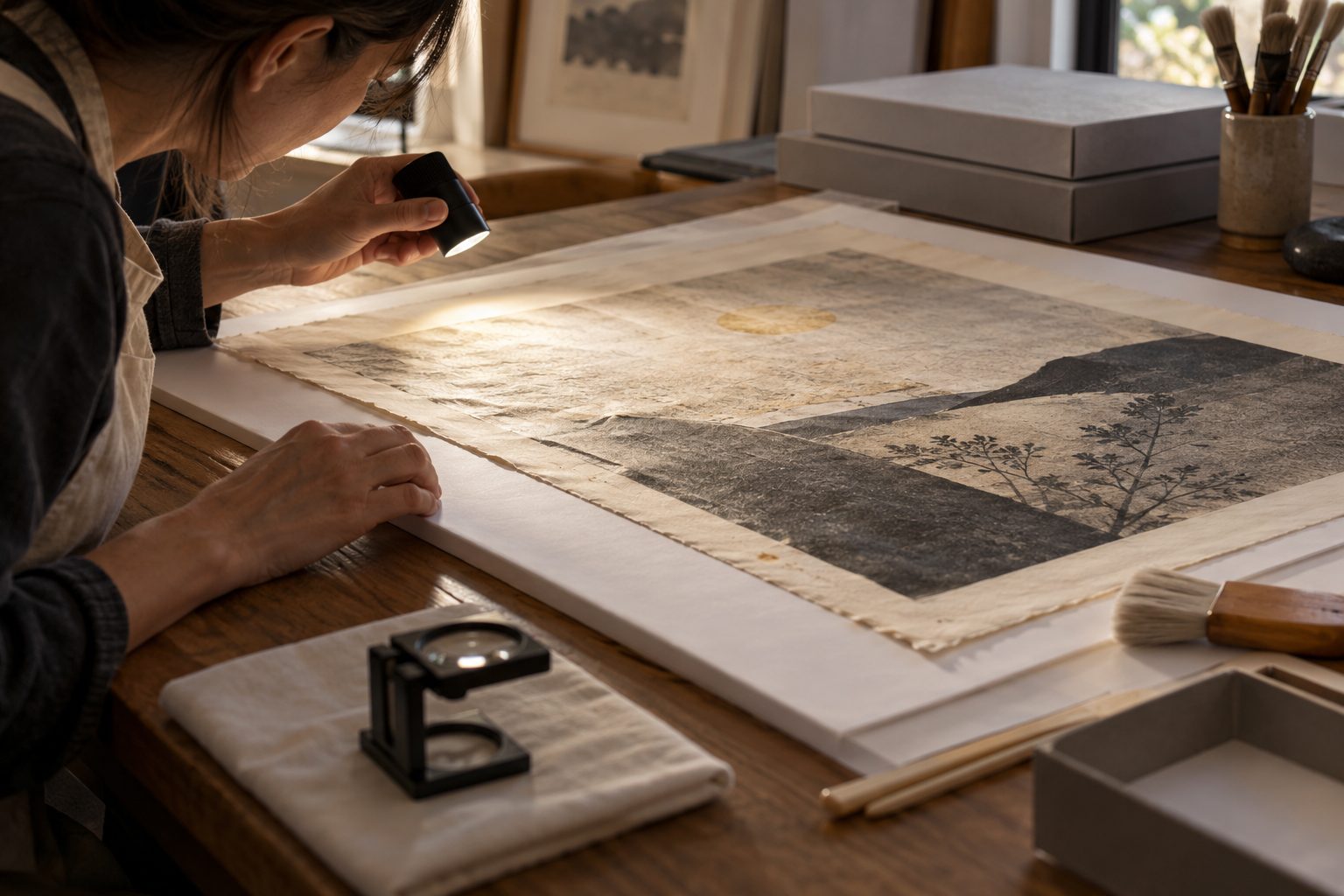
Give the print’s condition a place in your display plan. Rippling, stains, old repairs, or edges hidden by the frame may affect mounting or conservation needs. Request clear photographs of the sheet and margins; if a concern remains, ask a paper conservator before cleaning, repairing, or changing the frame. The goal is to create a setting where you can enjoy the work while caring for its surface.
Ready to Start Your Collection?
You don’t need a finished plan or specialist vocabulary to begin. If a print has caught your eye but you still have questions about its edition, condition, or documentation, we can help you work through what’s known and decide what to explore next.
Whether you’re shaping your first shortlist or considering a work in Premier Pop Art’s collection, tell us what draws you to it and what gives you pause. We can offer a knowledgeable perspective and help you find a direction for a limited edition print collection that reflects your taste, space, and budget. There’s no pressure to have every decision settled before you reach out.
FAQs: Limited Edition Prints
What does an edition number tell you about a print?
An edition number identifies an individual impression and the declared size of its edition. In a fraction, the first figure identifies that print; the second states how many impressions are in the numbered edition. The number does not rank quality or establish rarity by itself. Read it with the work’s medium, publication history, condition, and documentation.
What is an artist’s proof, and how is it different from the numbered edition?
An artist’s proof is an impression associated with the artist and production of an edition, commonly marked AP. It is distinguished from the numbered edition by its designation, though proof practices vary by artist, printer, and publisher. Check the specific work’s records to learn how the proof is identified; AP alone does not establish rarity, authenticity, or value.
Are all limited edition prints original works of art?
Not every work described as a limited edition print is automatically an original print. “Limited edition” refers to a finite edition size; it does not specify how the image was made or who produced it. Check the medium, artist’s role, publisher, edition record, and supporting documentation to distinguish an original print from a later reproduction.
Does edition size determine a print’s value?
Edition size is one factor in a print’s market context, but it does not determine price by itself. Collectors also consider the artist, image, medium, edition history, condition, signature, provenance, and demand. Compare closely related works and separate completed auction results from dealer asking prices; neither is a guarantee of what a print will be worth later.
What should you check before buying limited edition prints?
Before buying a limited edition print, confirm the artist, title, medium, dimensions, edition number and size, signature, condition, and provenance. Review any certificate or other documentation to see who issued it and which work it identifies. If a detail is unclear, request written clarification and clear photographs before making your decision.